
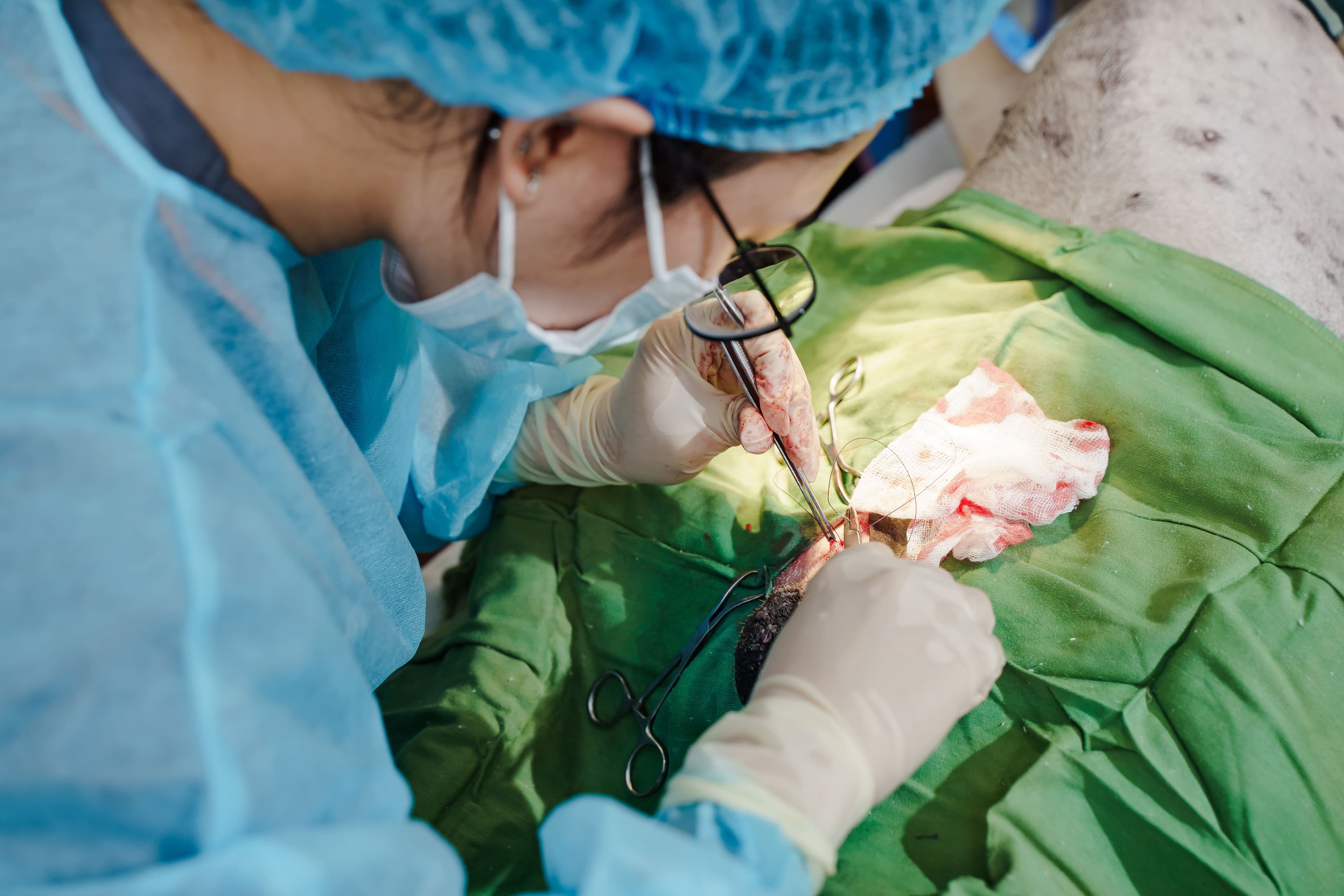
Sterilization
As society progresses, pet ownership is on the rise. To address the need for population control, sterilization is a service you should consider. It's a crucial decision that offers numerous health benefits for your furry friend. Let's explore the topic further with Pet5H Veterinary Clinic
Safe, Quick, and Painless Pet Sterilization
As society progresses, pet ownership is on the rise. To address the need for population control, sterilization is a service you should consider. It's a crucial decision that offers numerous health benefits for your furry friend. Let's explore the topic further with Pet5H Veterinary Clinic
What is Sterilization?
Pet sterilization is a surgical procedure involving the removal of reproductive organs of males (testicles) and females (uterus and ovaries). This method is effective and safe for controlling pet populations without affecting their health.
Why Should You Sterilize Your Pet?
Many people worry that sterilization will weaken their pet and negatively impact their health and behavior. However, veterinarians strongly recommend sterilization due to its many benefits.
Reducing unwanted behaviors
Unspayed/neutered pets often exhibit undesirable behaviors such as house soiling, aggression, and roaming. Spaying or neutering not only helps improve your pet’s behavior but also reduces safety risks.
Ensuring optimal health
Spaying and neutering can help prevent serious diseases in pets, such as mammary cancer and uterine infections, which can be fatal. Additionally, diseases like testicular cancer and prostate cancer can be eliminated
Promoting a longer, healthier life
A study by Banfield Pet Hospital found that spayed/neutered pets live an average of 18% longer than those who are not. Spaying or neutering also reduces risky behaviors and health hazards, giving your pet a longer, healthier life.
Decreasing the risk of disease
In addition to cancer, spaying and neutering can reduce the risk of sexually transmitted diseases. As a result, your pet will be healthier and less likely to develop complications.
Control of Unwanted Reproduction
Sterilization is the most effective measure to control unwanted breeding, minimizing the number of stray pets and ensuring that every pet receives proper care
Preparation and Aftercare for Sterilization
Thorough preparation before surgery and careful post-operative care will help your pet recover quickly and healthily.
Before Sterilization
Veterinarians may request blood tests to assess your pet’s overall health, ensuring they are fit for anesthesia and surgery. Please follow these guidelines:
- Fast for at least 8-12 hours before surgery to avoid the risk of vomiting during anesthesia.
- Avoid eating unfamiliar or unsanitary food the day before surgery to prevent digestive upset.
- If your pet has recently been vaccinated, wait at least 2 weeks before spaying.
After Sterilization
Recovery times will vary based on each pet’s health status. Some pets may display changes in behavior, such as reduced appetite or reluctance to urinate. This is entirely normal, and you should not be overly concerned.
To help your pet recover quickly, please:
- Monitor your pet and prevent them from licking the wound, as this can lead to infection and suture removal, especially for pets with dental issues like tartar or plaque. Consider using an Elizabethan collar to minimize licking.
- For the first 24 hours after anesthesia, do not allow your pet to climb high places as the anesthetic needs time to wear off. During this time, your pet may be at risk of falling and injuring themselves.
- Avoid letting your pet run or play with other animals in the house for at least 3 days, and prevent other pets from licking the wound.
- Take daily photos of your pet's incision for at least the first 3 days and send them to your veterinarian to monitor the healing process.
- Do not allow your pet to lie on dirty surfaces such as litter boxes or soiled floors,...
- For cats, change the litter box daily and check after each urination to see if any litter is stuck in the wound (if so, clean with saline solution).
- Supplement your pet's diet with plenty of protein and vitamins to promote wound healing. A balanced and nutritious diet is essential for a quick recovery.
- Encourage all family members to handle your pet gently and carefully and assist in monitoring their health during the post-operative period.
At What Age Can Pets Be Sterilized?
The age for sterilization varies depending on the breed, size, and overall health.
Pet5H veterinary clinic recommends starting the procedure between 6-8 months of age. According to veterinarians, this is the time when pets have completed their necessary vaccinations and are mature enough for surgery. Additionally, this is considered the golden time for spaying or neutering as pets may experience their first heat cycle.
Consult your veterinarian to determine the best time for sterilization for your pet. For instance, some larger dog breeds, it may be advisable to wait until they are 12-18 months old to ensure complete development before the procedure.
Pet5H - A Trusted Destination for Pet Sterilization in Hanoi
Choosing a reliable place for your pet's sterilization is crucial, as it directly impacts their health and quality of life.
Pet5H veterinary clinic is a trusted destination for pet examinations, treatments, and related services. Equipped with state-of-the-art facilities and a team of highly skilled veterinarians who are passionate about animals, we aim to alleviate your worries and provide peace of mind when entrusting your beloved pets to our care.
At Pet5H, we prioritize the health and safety of your pets. Our veterinarians will closely monitor their health and provide comprehensive care instructions.
Pet5H is committed to the health and happiness of your pets!