Nutrition
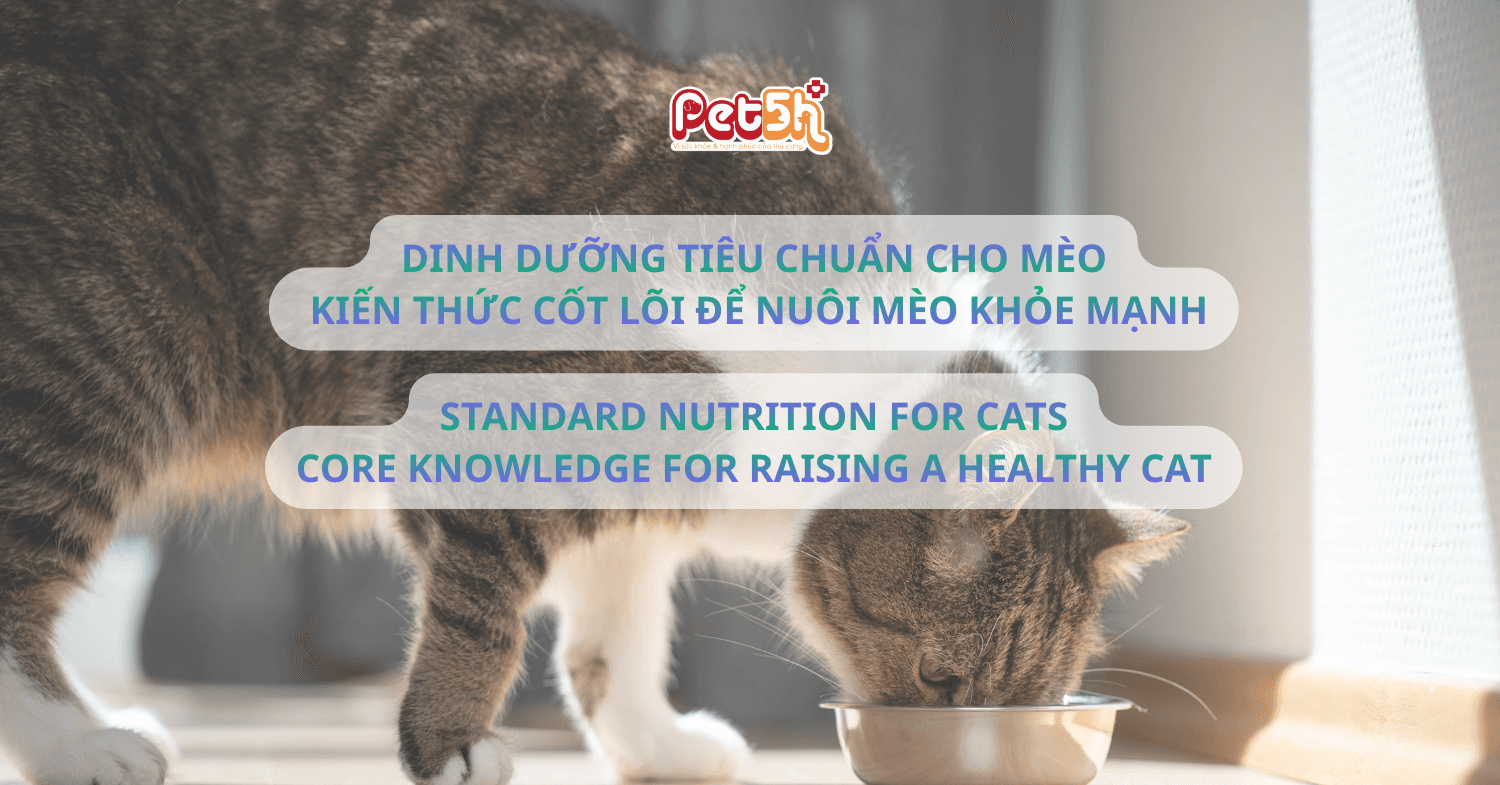
At Pet5H, nutrition is always considered one of the most important foundations in feline healthcare. Through examining and advising thousands of cats, we have found that many issues that seem “unrelated” at first-such as a poor coat, low energy, frequent small urination, inconsistent stools, obesity, and even chronic kidney disease—often have their roots in an unsuitable diet. In contrast, when a cat’s diet is built according to proper standards, cats tend to become healthier, develop stronger immunity, and show clear improvement in long-term wellbeing and longevity.
Cats are obligate carnivores, which means their bodies rely on animal-based protein for essential metabolic functions. Nutrients such as taurine, arachidonic acid, active-form vitamin A, and niacin cannot be obtained from plants and are also not present in sufficient amounts in human food or dog food. For that reason, feeding cats properly starts with understanding their nutritional needs-something Pet5H always considers the first and most essential step when working with cat owners.
Important nutritional standards for cats
In modern feline nutrition, three major nutritional standard systems are widely used: AAFCO, NRC, and WSAVA. These scientific references help evaluate food quality and identify cats’ nutritional needs in a clear, evidence-based way.
AAFCO sets the minimum and maximum levels of each nutrient required in a feline diet. Products that meet AAFCO standards are labeled “complete & balanced,” meaning they provide full and balanced nutrition for cats according to life stages such as kitten growth, adult maintenance, or reproduction.
NRC provides detailed research profiles on cats’ requirements for protein, fat, vitamins, and minerals. It is a deeper scientific resource that can be used to formulate accurate diets when needed.
WSAVA focuses on practical guidance, such as how to read pet food labels, how to assess body condition using the BCS scale, and how to choose an appropriate diet based on age, weight, and an individual cat’s health status.
In many countries, cat food is required to include a “Nutritional Adequacy Statement” to confirm that it meets complete nutritional standards. Products without this statement should only be used as supplements and cannot replace main meals. During consultations, Pet5H always reminds owners to check this information carefully to avoid non-standard products.
What should cats eat to ensure long-term health?
According to current nutritional recommendations, the most reliable way to ensure cats receive complete nutrients is to use high-quality commercial cat food that meets AAFCO or NRC standards. These products are usually well researched, have clear formulations, and are balanced in protein, fats, vitamins, and minerals.
In contrast, “natural” feeding approaches such as boiled meat, steamed fish, organ meats, or homemade cat food can easily lead to deficiencies in taurine, vitamin A, vitamin D, calcium, and many other essential nutrients. In real clinical practice, Pet5H has seen cats with heart problems, bone disorders, poor digestion, or dull coats that can be linked to unbalanced diets. This shows that “natural” does not always mean “nutritionally complete.”
For cats with chronic kidney disease, liver disease, allergies, obesity, urinary stones, or diabetes, therapeutic diets play an important role. These specialized diets are adjusted to support medical management. In many Pet5H treatment protocols, dietary modification is the first priority to improve symptoms and reduce the risk of recurrence.
Pet5H also frequently warns owners about dangerous habits such as giving cats cow’s milk, feeding them human food, using dog food, or applying a raw diet. These habits may cause diarrhea, poor nutrient absorption, nutritional deficiencies, or bacterial infection. In particular, raw diets increase the risk of Salmonella, E. coli, and parasitic infections-cases that Pet5H encounters in practice.
Many owners also mistakenly believe that “grain-free” is better. In reality, not all cats need to avoid grains. Grain-free diets sometimes contain even more carbohydrates from potatoes, peas, or cassava than grain-containing foods. Pet5H always advises owners to consider the full formula rather than judging a diet based only on the term “grain-free.”Home-cooked diets: benefit or harm?
Many owners wish to cook for their cats because they believe home-cooked food is “cleaner and healthier.” In principle, a home-cooked diet can be beneficial, but only when it is formulated correctly and nutritionally balanced. In reality, most home-cooked rations reviewed by Pet5H lack taurine, vitamin D, calcium, or contain excessive phosphorus. If these imbalances persist, they can directly affect a cat’s heart, bones, immune system, and kidneys.
Pet5H always recommends that owners who want to cook for their cats should follow validated recipes rather than cooking based on intuition, hearsay, or random online tips. A recipe built on proper nutritional knowledge will help cats eat well, absorb nutrients effectively, and reduce long-term health risks.
Homemade cat food: benefit or harm?
Many owners want to prepare homemade cat food because they believe it is “cleaner and healthier.” In principle, homemade cat food can be beneficial, but only when it is correctly formulated and nutritionally balanced. In reality, many homemade cat food recipes Pet5H has reviewed are low in taurine, vitamin D, or calcium, or contain too much phosphorus. If these imbalances continue over time, they may directly affect the cat’s heart, bones, immune system, and kidneys.
Pet5H recommends that owners who want to prepare homemade cat food should follow validated recipes rather than cooking based on intuition, hearsay, or random online tips. A recipe built on proper nutritional knowledge helps cats eat well, absorb nutrients effectively, and reduces long-term health risks.
Nutrition for kittens – a critical stage
Kittens grow very quickly during their first year of life. During this time, providing enough energy, protein, fats, vitamins, and minerals is extremely important. Pet5H emphasizes that proper kitten nutrition supports strong bones, healthy muscle development, complete brain development, and a robust immune system.
Kittens under four months old should eat three to four meals per day. From four to six months, this can be reduced to three meals per day. From six months to one year, kittens can eat two or three meals per day. Kitten food should be continued until 9–12 months of age to support optimal growth.
In many cases of poor growth or weak bones that Pet5H has seen, the main reason has been switching to adult food too early or feeding a diet that does not provide enough nutrition.
Diet for adult cats and weight management
Healthy adult cats usually do best with two meals per day. Leaving food available 24/7 makes weight gain very likely, especially for indoor cats with low activity levels. When cats become overweight, the risks of diabetes, fatty liver disease, and arthritis increase significantly. Pet5H has received many obese cats and has had to adjust feeding plans based on each cat’s actual condition.
To manage weight, Pet5H often uses the BCS (Body Condition Score) scale to evaluate body condition. When needed, we adjust food portions, increase activity and play, and change feeding tools such as slow-feeding bowls or puzzle feeders.
A suitable eating environment for cats
Cats prefer to eat in a quiet environment with minimal disturbance and away from the litter area. In multi-cat households, providing separate bowls helps reduce stress and prevents food competition. During behavior consultations, Pet5H has noticed that simply changing bowl placement can improve eating habits significantly, and many cats stop rushing meals or walking away from food midway.
Drinking water – a commonly overlooked factor
Pet5H emphasizes that water is an essential part of feline health. Because cats originally came from semi-desert environments, they naturally tend to drink less water than their bodies need. When water intake is insufficient, the risk of urinary problems such as bladder stones, idiopathic cystitis, or urinary obstruction can increase significantly. Many cases related to stones or cystitis that Pet5H receives share the same factor: low water intake or a long-term very dry diet.
To help cats drink enough water, Pet5H encourages owners to place multiple water stations around the home, preferably using ceramic, glass, or stainless-steel bowls for easier cleaning and less odor retention. Water should be replaced daily to stay clean and clear and to limit bacterial growth. For cats that prefer running water, fountains or circulating dispensers are excellent choices because they encourage natural drinking behavior. In practice, many cats increase their water intake clearly just by switching to a fountain.
Along with clean water, adding wet food to daily meals is a simple but effective way to increase hydration. This is a method Pet5H often suggests for cats at risk of urinary issues or those that naturally drink very little.
If you notice that your cat suddenly drinks more water than usual, urinates more, or urinates abnormally, Pet5H recommends early veterinary examination because these may be signs of more serious conditions such as chronic kidney disease, diabetes, or hyperthyroidism. Monitoring drinking and urination habits helps owners detect health problems early-issues that can otherwise be difficult to recognize in cats.
If a cat drinks more water than usual or urinates more frequently, this may indicate an underlying medical condition and requires timely examination.
Good nutrition is the key to helping your cat live a long, healthy life
A standard, well-balanced diet is the most important foundation for cats to grow well, stay healthier, and enjoy a longer lifespan. Choosing AAFCO- or NRC-compliant foods, building life-stage-appropriate diets, and ensuring a comfortable eating environment all bring long-term benefits. When nutrition is optimized, a cat’s overall health, immune system, and mental wellbeing can improve significantly, helping them live happily and stay with your family for many years.
Share
Facebook