Cat
-20250605153600.png&w=3840&q=75)
At Pet5H, we frequently meet first-time cat owners who are unsure about the characteristics of different breeds. This can sometimes lead to challenges in care from health and behavioral issues to difficulties in adapting the cat to the living environment. With years of experience in veterinary medicine and pet care, Pet5H understands that choosing the right breed from the beginning not only helps owners adapt more easily but also creates the best conditions for the cat to grow up healthy and happy. In this article, our veterinarians at Pet5H will share practical tips and helpful advice to give you more confidence as you begin your journey into cat ownership.
1. Things to Know Before Bringing a New Cat Home
Each purebred cat breed has its own unique characteristics; some prefer quiet environments, while others are highly active; some require meticulous grooming, while others are relatively low-maintenance. Without proper research, you might encounter difficulties in raising your cat, from behavioral issues to stress caused by unmet needs.
If you're preparing to welcome a new cat into your home, avoid making a decision based solely on their adorable appearance or friendly personality. The most important factor is how well the cat’s traits align with your lifestyle and living conditions. Every breed has its own distinct needs, and a poor match can leave you feeling stressed or regretful. Purebred cats tend to adapt well to humans and are generally easier to socialize. Therefore, it’s essential to take the time to learn from reputable cat breed websites or consult with staff at animal rescue centers before making your final decision.
2. Recommended Cat Breeds and Their Key Traits
Before bringing a new cat home, choosing the right breed is an important step. Below are some popular cat breeds and their standout characteristics for your reference:
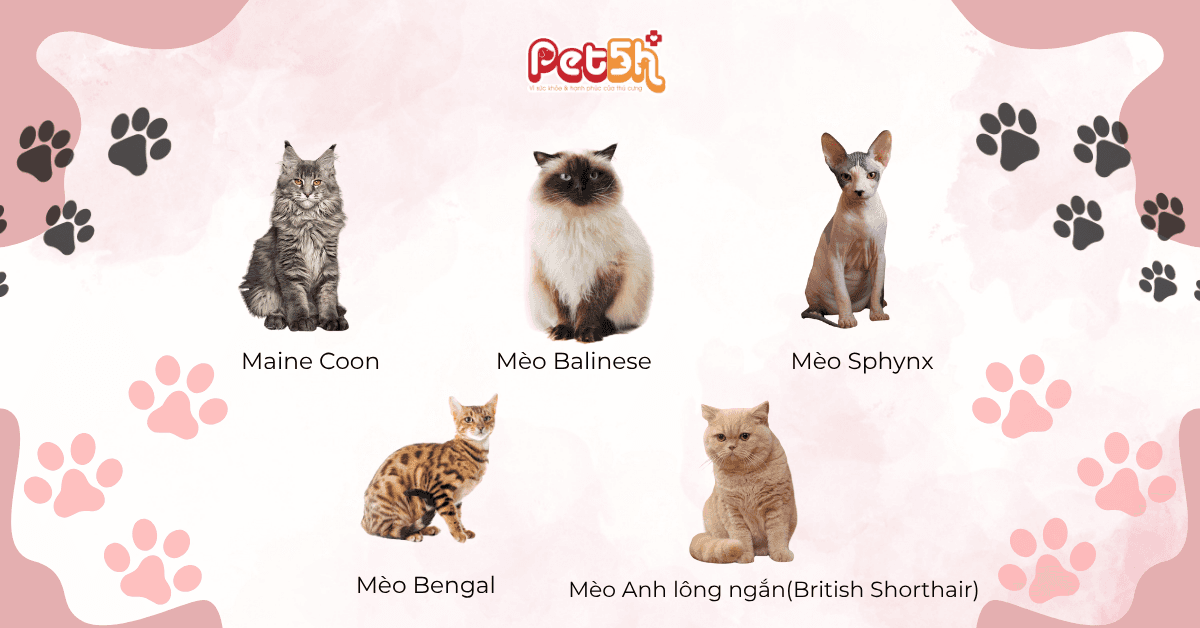
Here are a few popular cat breeds
2.1. Maine Coon
-Temperament: Gentle, friendly; may be reserved or cautious depending on the environment.
- Best for: Families with spacious homes, fans of large cats, or those living in colder climates.
- Note: Thick fur requires regular brushing.
2.2. Bengal
- Temperament: Energetic, intelligent, requires lots of physical activity.
- Best for: Active individuals with time to play and engage with their cat daily.
- Note: Needs space to move around; boredom can lead to stress or behavioral issues.
2.3. Sphynx
- Temperament: Friendly, affectionate, craves attention.
- Best for: Those who love hairless cats, want regular interaction, and live in a warm environment.
- Note: Skin needs frequent cleaning to remove oil buildup; avoid extreme cold or direct sunlight.
2.4. Balinese
- Temperament: Playful, curious, deeply attached to their owner.
- Best for: People who enjoy active cats and have time for daily interaction.
- Note: Doesn’t like being left alone; not suitable for those with a busy lifestyle.
2.5. British Shorthair
- Temperament: Calm, sociable, gentle, and great with children.
- Best for: Families with kids, elderly people, or those with limited time for intensive care.
- Note: Prone to weight gain if overfed; maintain a balanced diet and regular light exercise.
2.6. Persian
- Temperament: Gentle, slow moving, quiet, and introspective.
- Best for: Older adults, peaceful households, or fans of luxurious long-haired cats.ộ lông dài.
- Note: Needs daily brushing to prevent tangles and matting.
2.7. Siamese
- Temperament: Lively, mischievous, vocal, and extremely loyal.
- Best for: People who like “talkative” cats, want constant interaction, and spend a lot of time at home.
- Note: Can be loud if neglected; not ideal for people who are rarely home.
2.8. Exotic Shorthair
- Temperament: Gentle and calm like the Persian but less demanding.
- Best for: Those who love Persian cats but prefer less grooming.
- Note: Prone to respiratory issues due to flat facial structure; requires regular vet check-ups.
2.9. Russian Blue
- Temperament: Quiet, clean, intelligent, and deeply bonded with their owner.
- Best for: Those who appreciate elegant, low-maintenance, peaceful companions.
- Note: Can be shy with strangers needs time to build trust.
2.10. Vietnamese Domestic Cat
- Temperament: Smart, agile, low-maintenance, and affectionate when treated well.
- Best for: First-time cat owners, small living spaces, or simpler home environments.
- Note: Often allowed outdoor access; make sure vaccinations are up to date and regular health checks are maintained.
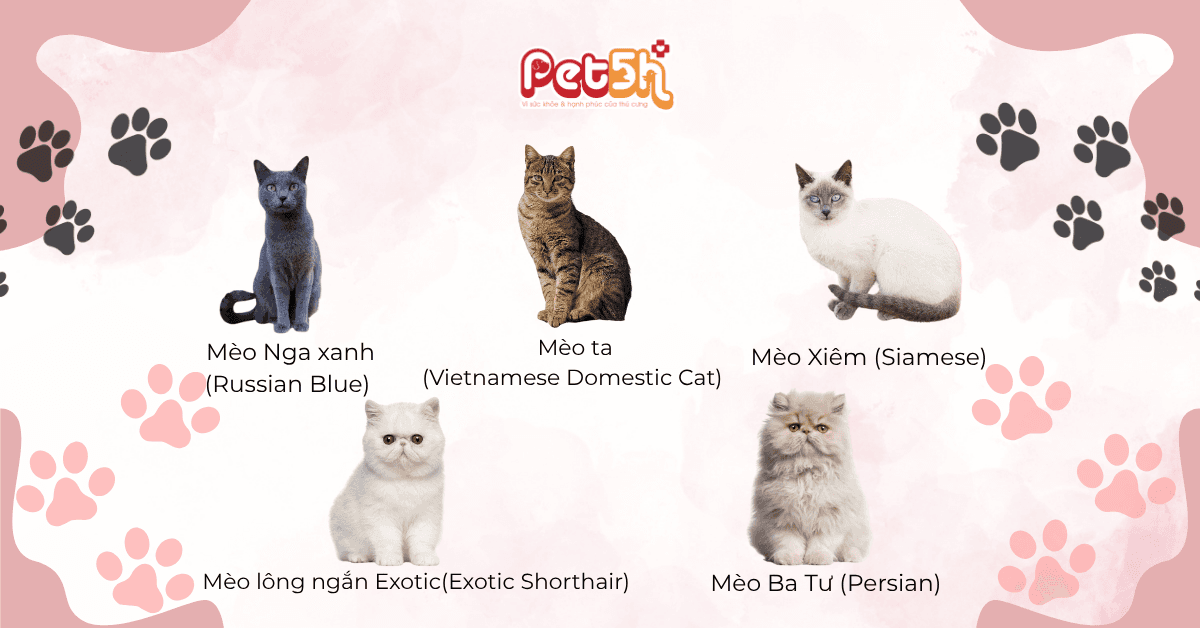
Here are a few popular cat breeds
3. Every Cat Breed Has Its Own Personality
Choosing a cat is not just about selecting an adorable pet. When you bring a new cat into your home, you're welcoming a companion with a unique personality. Selecting the right breed should go beyond appearance; it requires careful consideration of your living environment, the cat’s temperament, and the amount of time and care you can provide.A well-matched cat will become a beloved companion, bringing joy and a lasting bond to your entire family. Regardless of breed, it’s important not to overlook regular vaccinations, deworming, and routine health check-ups to ensure your cat stays healthy and protected from dangerous infectious diseases.

Reference Deworming and Vaccination Schedule for Cats
Bringing a new cat home is not just the choice of a little furry friend, it marks the beginning of a meaningful journey in building a strong and loving relationship between you and your pet. Take the time to research thoroughly so you can choose the breed that best suits your lifestyle and living conditions. The right choice will bring happiness, peace, and genuine affection from your feline companion.
We wish you the best in finding the perfect “four-legged friend” to complete your home.
Share
Facebook